
How Black and White Images Shaped Modern History
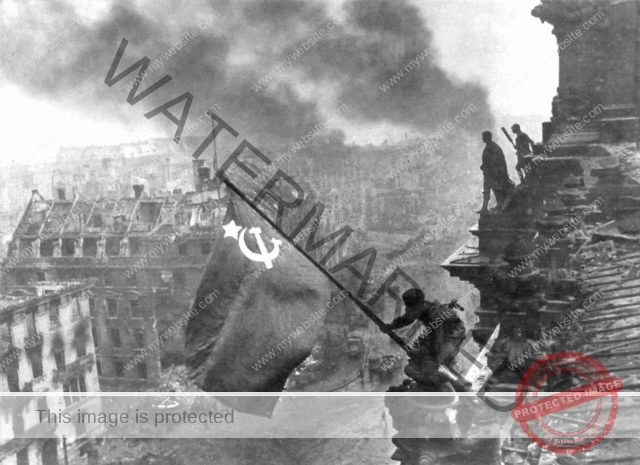
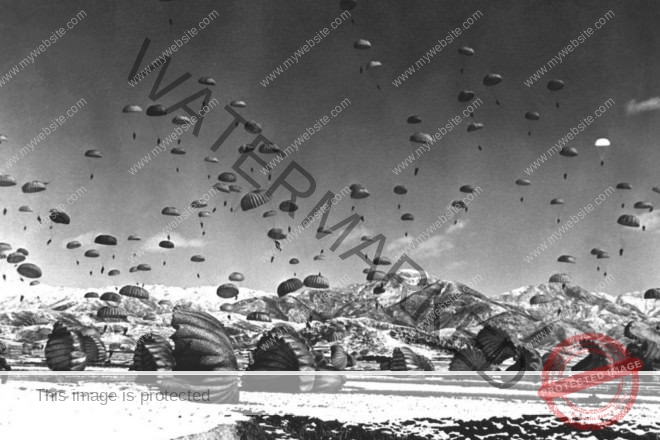
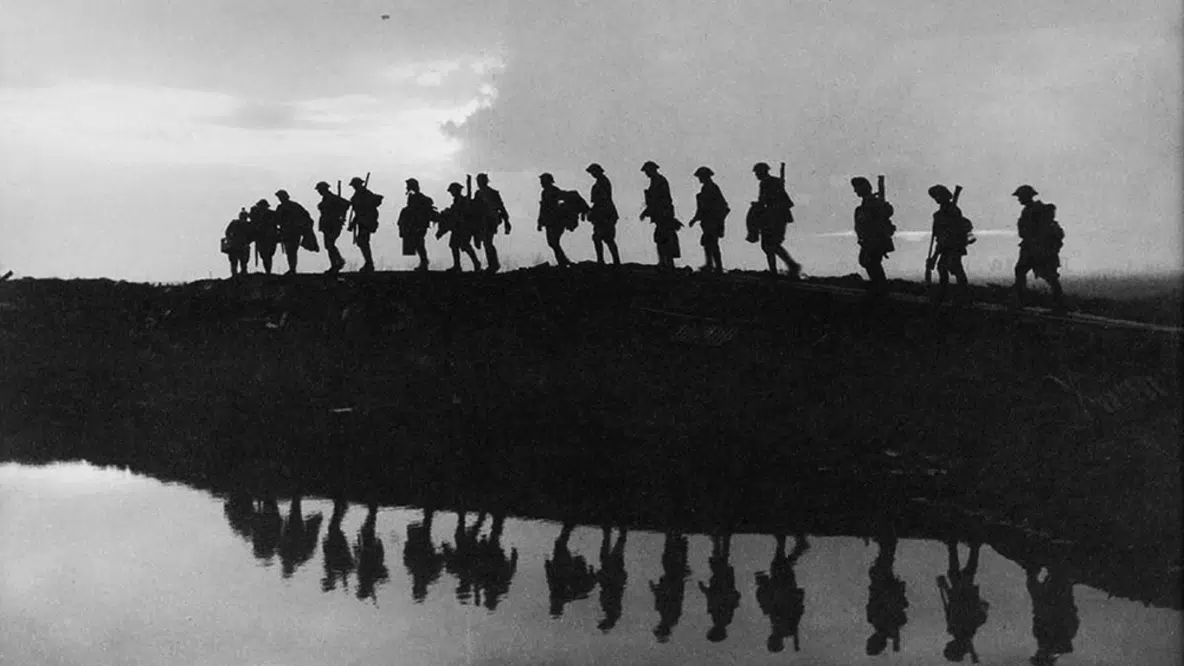
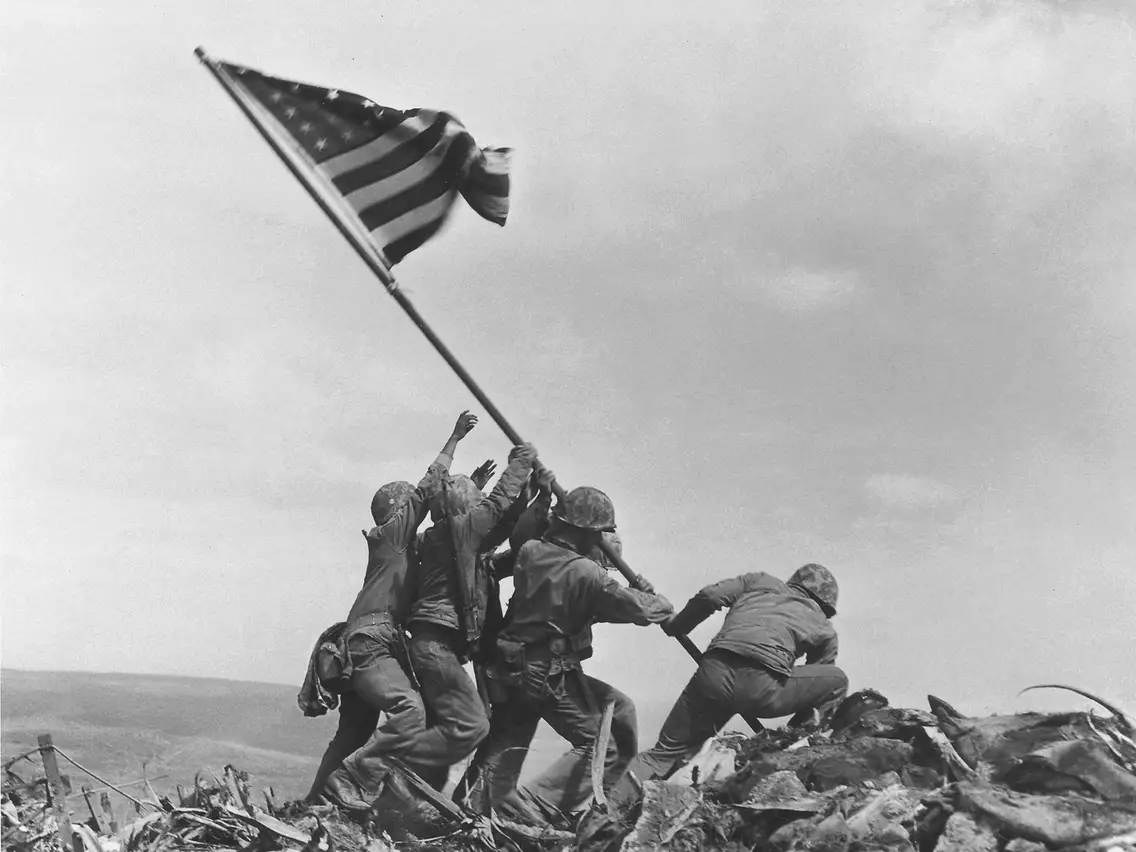
In an era saturated with easily digestible digital images and quick swipes on smartphone screens, the profound impact of black and white photography often gets overshadowed. Yet, when it comes to war and conflict, these monochromatic images have not only captured moments but have also shaped history. They’ve swayed public opinion, influenced policy decisions, and served as inspirations for movements.
The Roots: The Early Days of War Photography
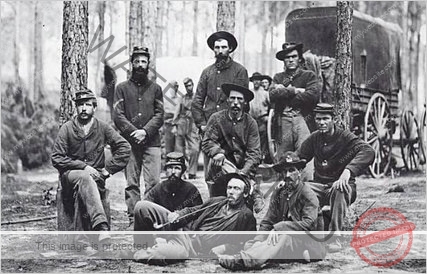
The birth of war photography dates back to the mid-19th century. Pioneers like Roger Fenton and Mathew Brady dragged bulky, primitive cameras onto the battlefields of the Crimean War and the American Civil War, respectively. The images they captured were not just snapshots but became etched into the collective consciousness as the visual narrative of conflicts that shaped nations.
The Gravity of Monochrome
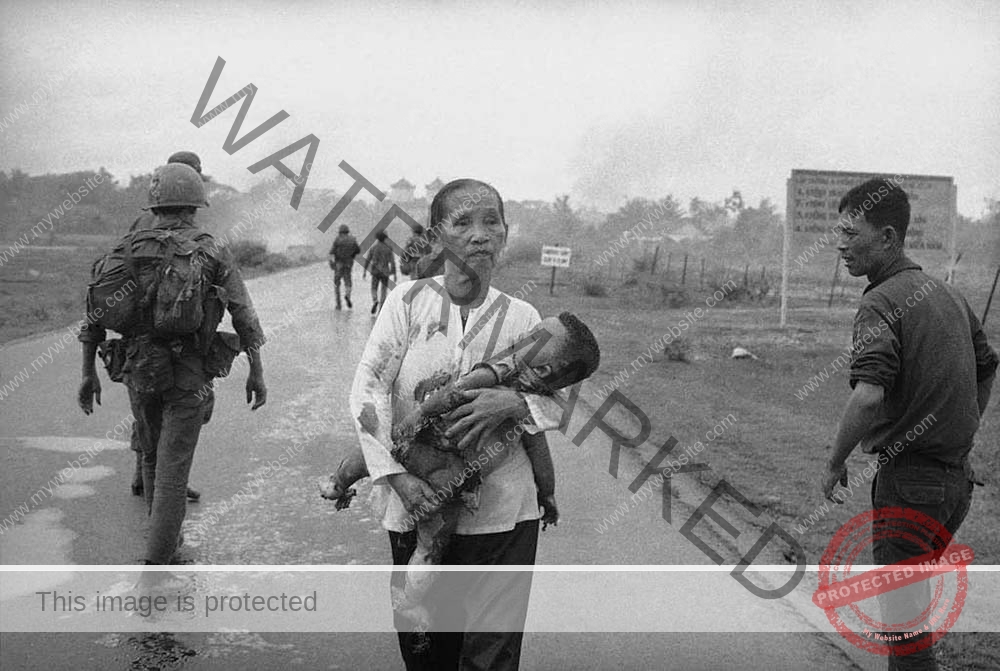
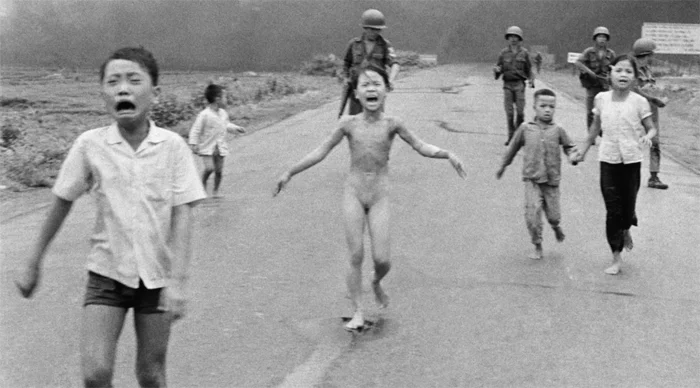
Black and white photography brings with it an unmistakable gravitas that color images often lack. The absence of color strips down distractions, focusing the viewer’s attention on the raw emotion, the texture of life, and the brutal honesty that often comes with war. The emotional weight carried by iconic photos, like Nick Ut’s “The Terror of War,” is magnified by their monochromatic nature.
The Journalistic Responsibility
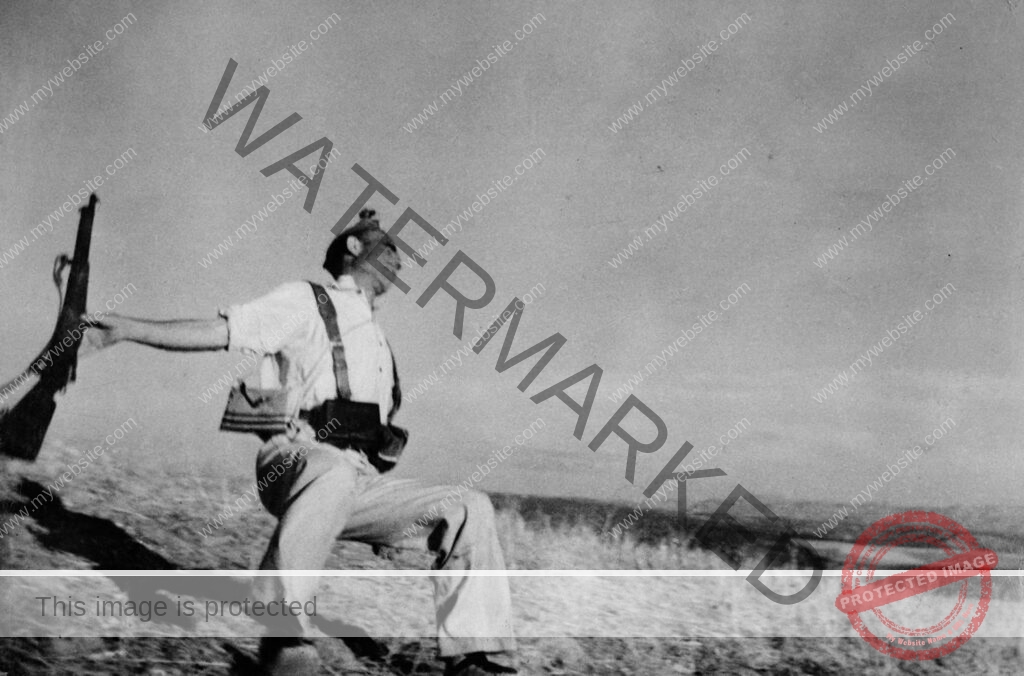
There’s a grave responsibility that accompanies the photographer who chooses to capture war. The lens does not discriminate; it captures the valiant along with the villainous. Photographers like Robert Capa and his famous photo “The Falling Soldier,” took extreme risks to bring images from the Spanish Civil War to the world. These photos serve not only as a historical record but also as an ethical challenge. They call for action, they demand response, and in doing so, they shape the course of events.
Ethical Concerns
War photography inevitably raises ethical questions. While it has the power to raise awareness and provoke change, it also runs the risk of exploitation. The line between raising awareness and voyeuristic intrusion is perilously thin. Ethical war photographers tread this line carefully, often self-imposing boundaries to respect the dignity and humanity of their subjects.
The Global Impact: Changing Policies and Shaping Public Opinion
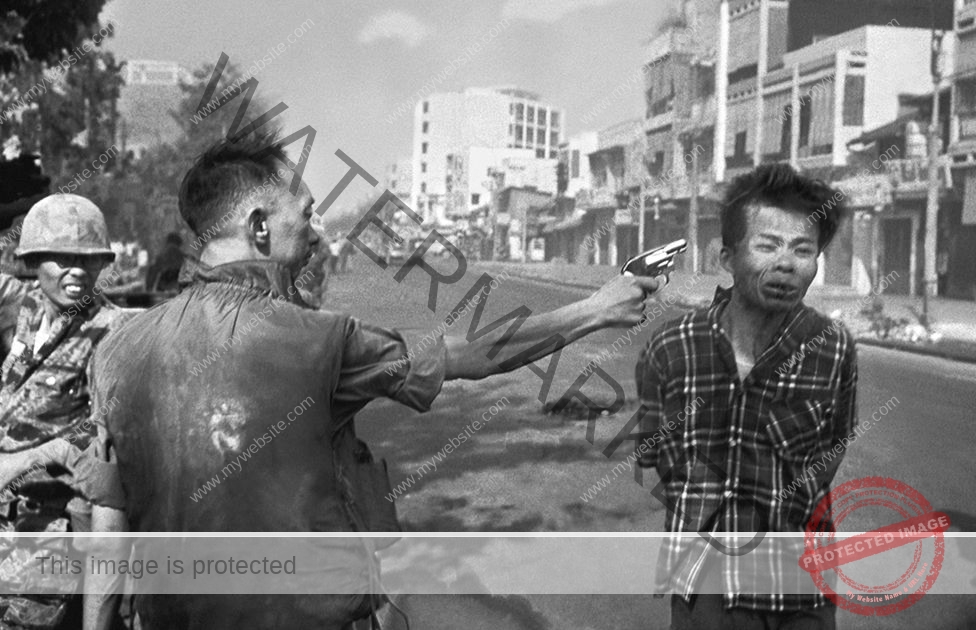
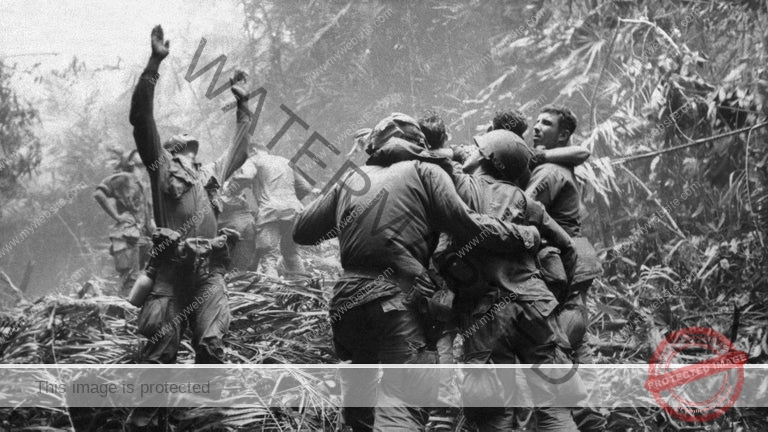
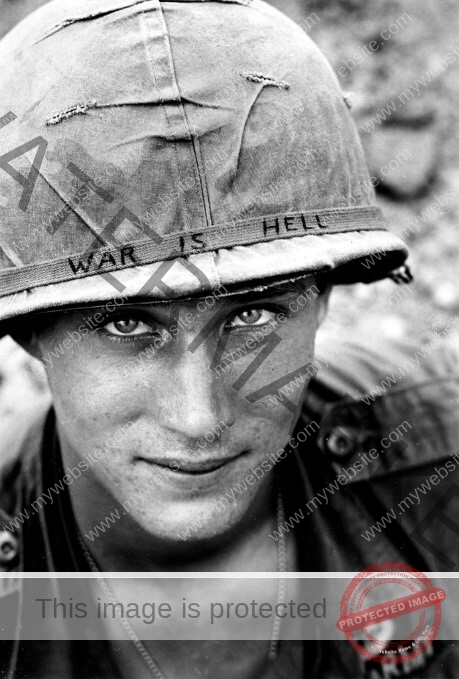
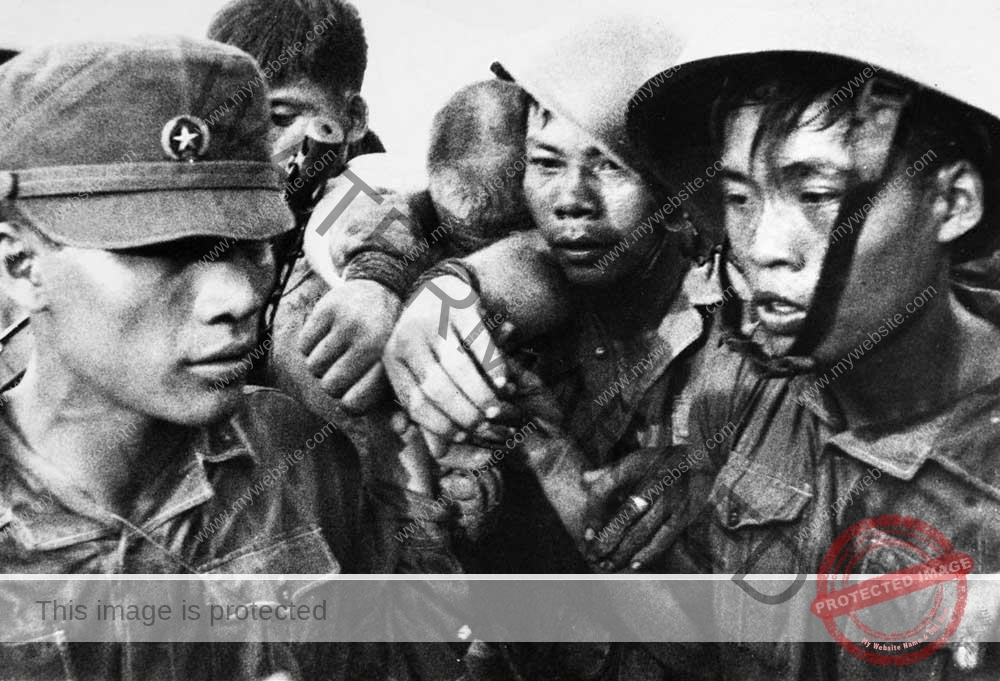
War photographs have often served as catalysts for change. The Vietnam War serves as a prime example of how images shifted the course of policy and public opinion. Photographs taken by Eddie Adams and Nick Ut were so powerful that they significantly contributed to the anti-war sentiment growing in the United States and around the world. The images communicated the horrors of war so viscerally that they became impossible to ignore, and in doing so, these photos shaped history.
War Photography in the Digital Age
In today’s interconnected world, the impact of war photography has both amplified and diluted. The internet allows for instant dissemination, making photos from current conflicts accessible like never before. However, this ease of accessibility also leads to a numbing effect. The challenge for modern war photographers lies in breaking through the digital noise and capturing images that still have the power to affect change.
The Role of Technology
Advancements in camera technology have made capturing war images easier and safer. Drones, for instance, are being increasingly used to photograph war-torn areas, reducing the physical risks faced by photographers. However, this advancement also raises the question of emotional detachment and the loss of the human perspective that has been the hallmark of war photography.
Legacy of Black and White War Photography
While the era of digital, high-definition, colorized images is upon us, the legacy of black and white war photography is undiminished. These images serve as eternal reminders of the human cost of conflict, and their power to shape history is unrivaled.
The Role of Awards and Recognition
It’s crucial to discuss the role awards play in recognizing the work of war photographers. The Pulitzer Prize for Photography and the World Press Photo Awards are just a few that highlight the profound impact of these images. Awards not only give photographers the acknowledgment they deserve but also bring the photographs to a larger audience. This amplifies the message these images are trying to convey, thereby increasing their impact.
Preservation and Archiving
The digital age has made it easier to preserve photographs, but it has also posed challenges of authenticity and manipulation. Several organizations and museums around the world specialize in preserving the legacy of war photography. For example, the Imperial War Museum in London and the George Eastman Museum in the United States provide platforms for these enduring images so future generations can understand the history and impact of past conflicts.
Educational Impact
These photographs have also found a place in the academic world, providing rich material for study and analysis. Scholars, students, and researchers delve into these images to gain insights into history, social issues, and human psychology. These images serve as invaluable resources for a wide array of academic disciplines, from history to art to psychology, thus widening their impact.
The Emotional Quotient
It’s impossible to talk about black and white war photography without addressing its emotional impact. These images stir the soul and provoke a visceral reaction. Whether it is empathy, anger, or sorrow, these photographs can evoke a spectrum of emotions, playing an invaluable role in humanizing statistics and stories of conflict.
Curation and Exhibitions
Today, there is a growing trend in curating special exhibitions around war photography. These are not just limited to museums or art galleries but extend to online platforms as well. These exhibitions not only generate discussion but also help to financially support the photographers and the entities preserving these images. This trend reflects the growing awareness and significance attached to these impactful images.
Final Thoughts
Black and white war photography is not merely a relic of the past; it remains a potent tool for education, activism, and remembrance. Its impact is immeasurable, shaping policy, touching hearts, and changing lives. As we move further into the digital age, the importance and relevance of these images are not diminishing but rather taking on new forms and reaching broader audiences.

No Comments